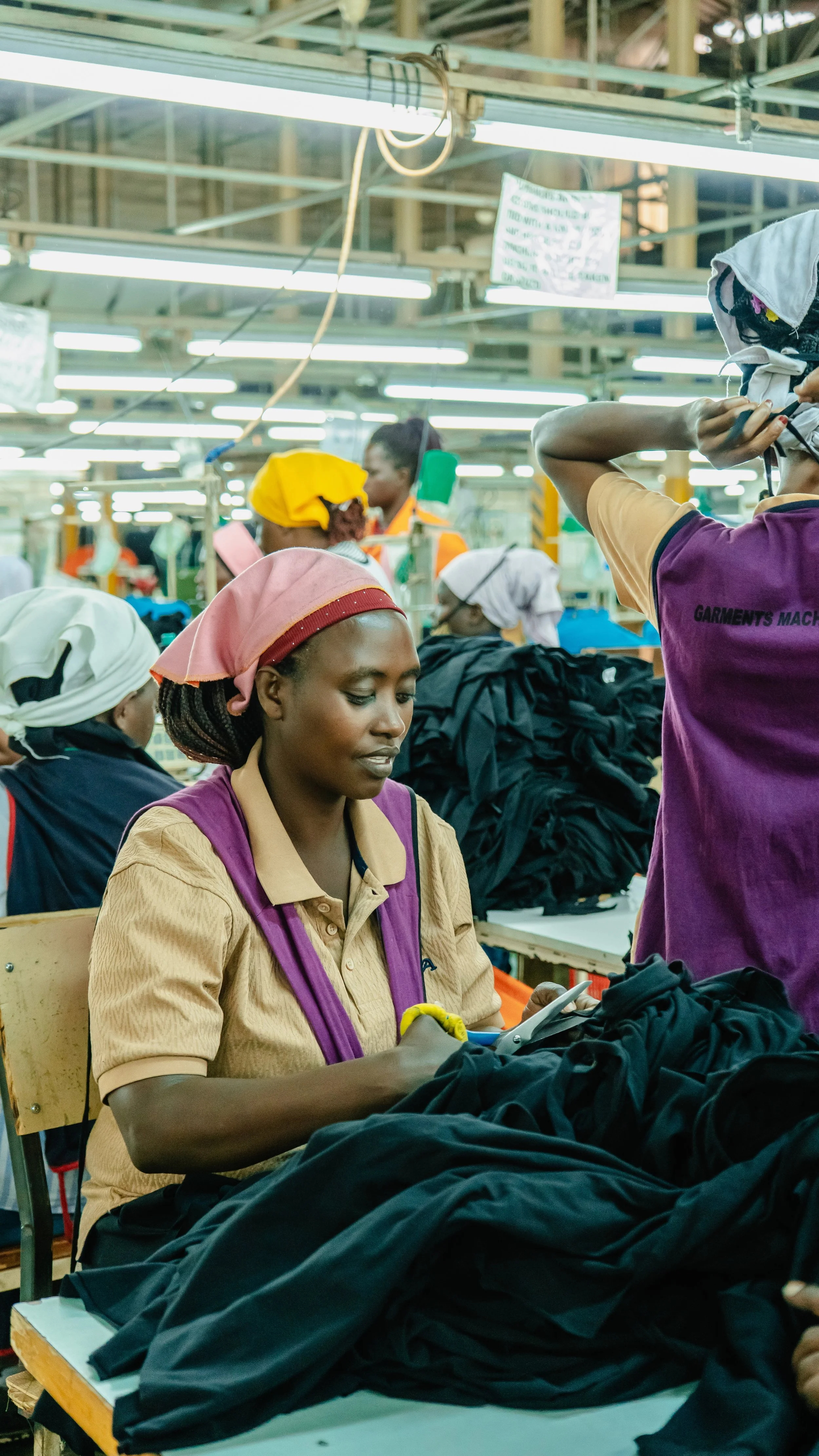
Manufacturing with passion, creativity
and sustainability in mind.
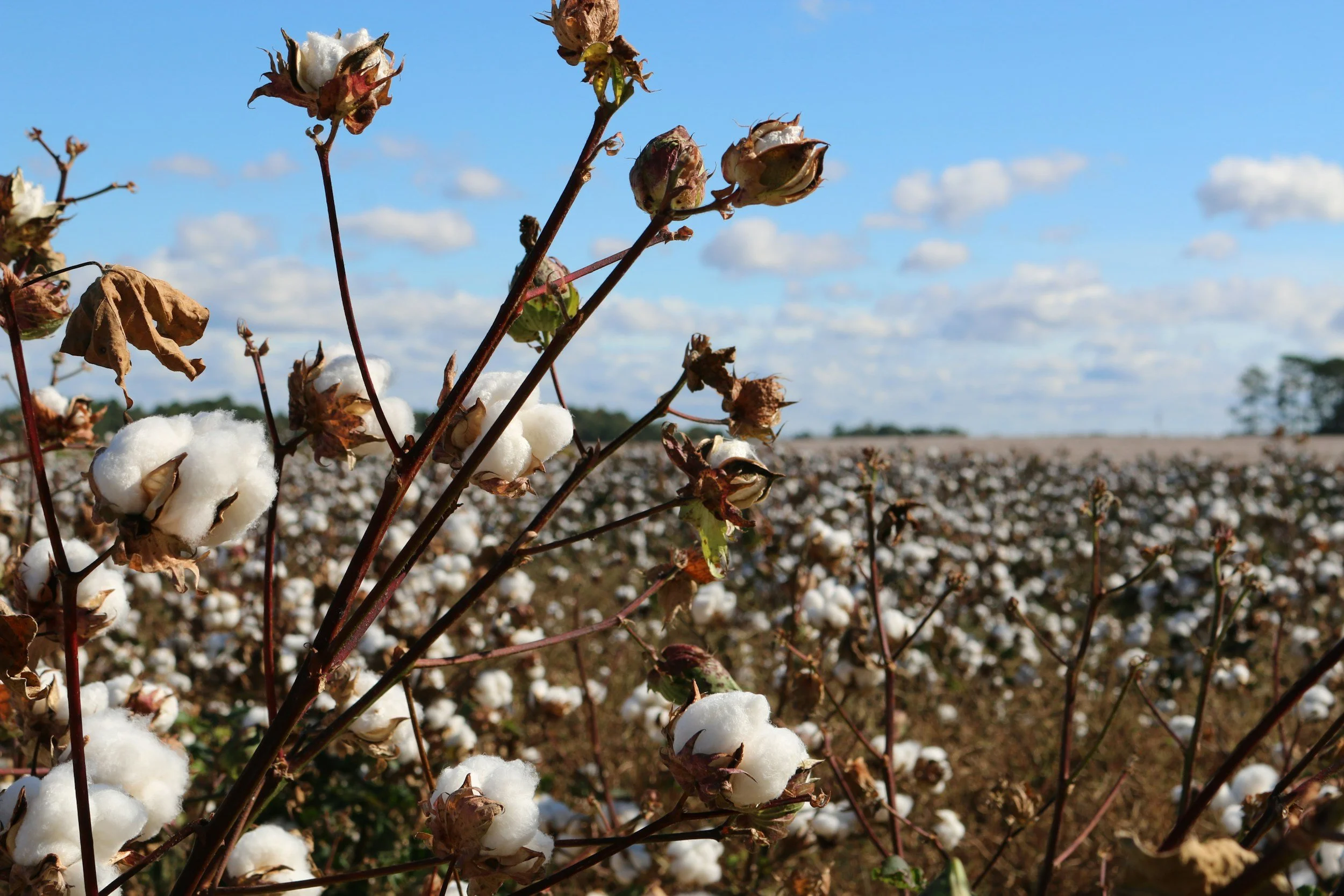
Cotton comes in as lint. Garments go out in boxes. Everything in between happens here.
500,000+
garments a month
120
tonnes of yarn a month
100,000
metres of woven fabric a month
120
tonnes of knitted fabric a month
16,000
smallholder farmers in the supply base
Message from the Chairman
Jaswinder Bedi speaks to what the factory is about and why it exists. Learn More
Field to Garment - 800km radius
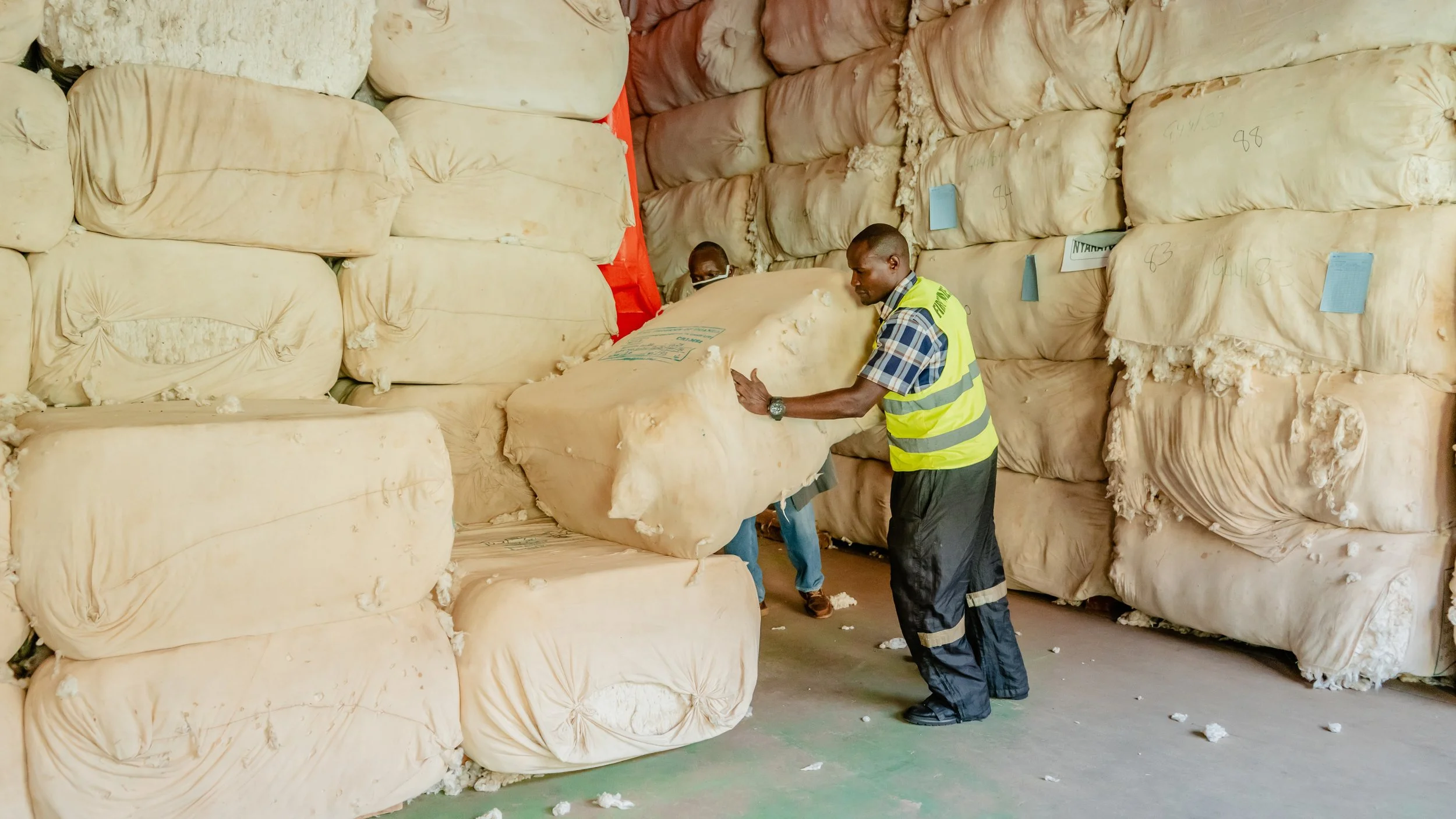
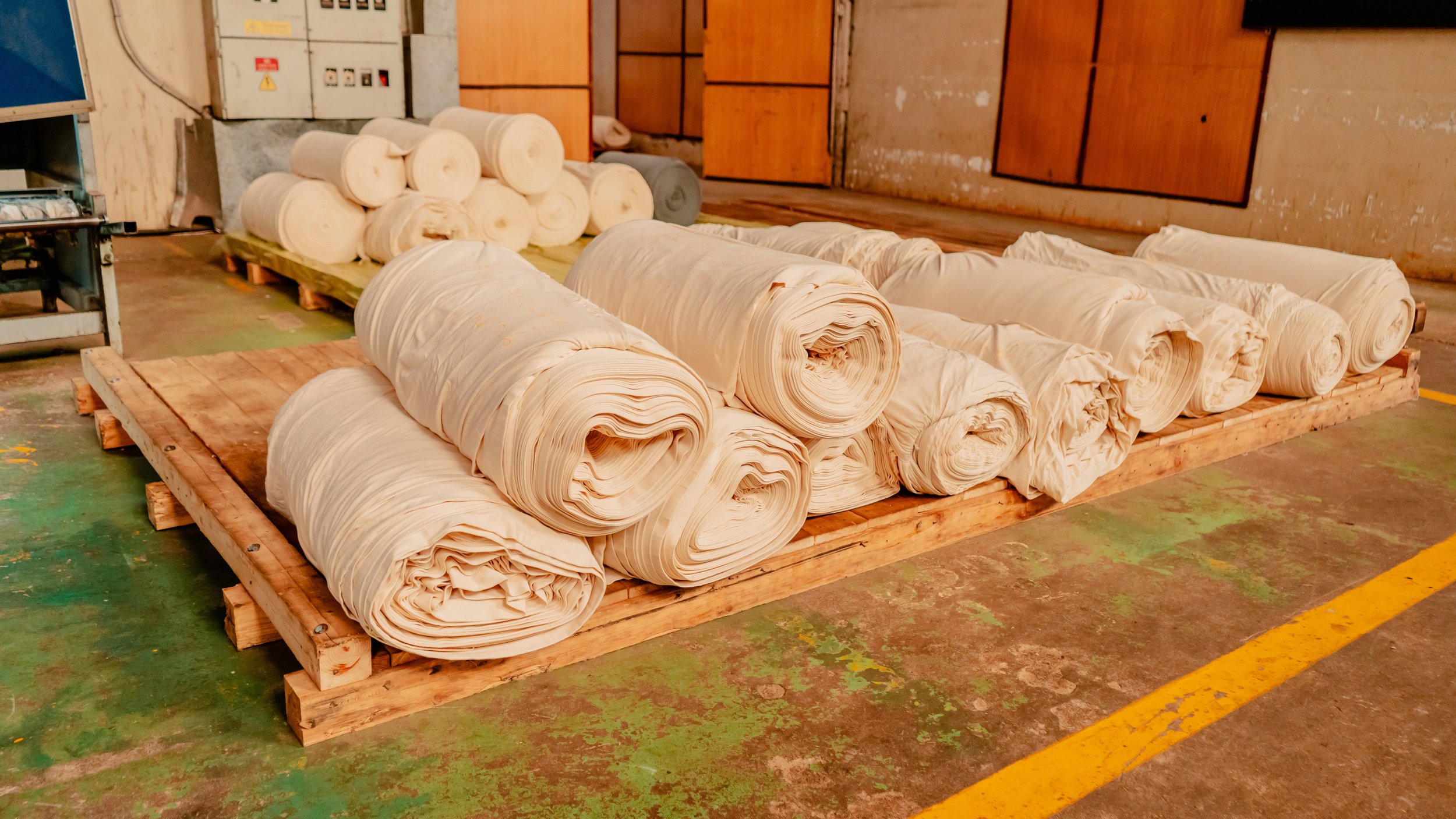
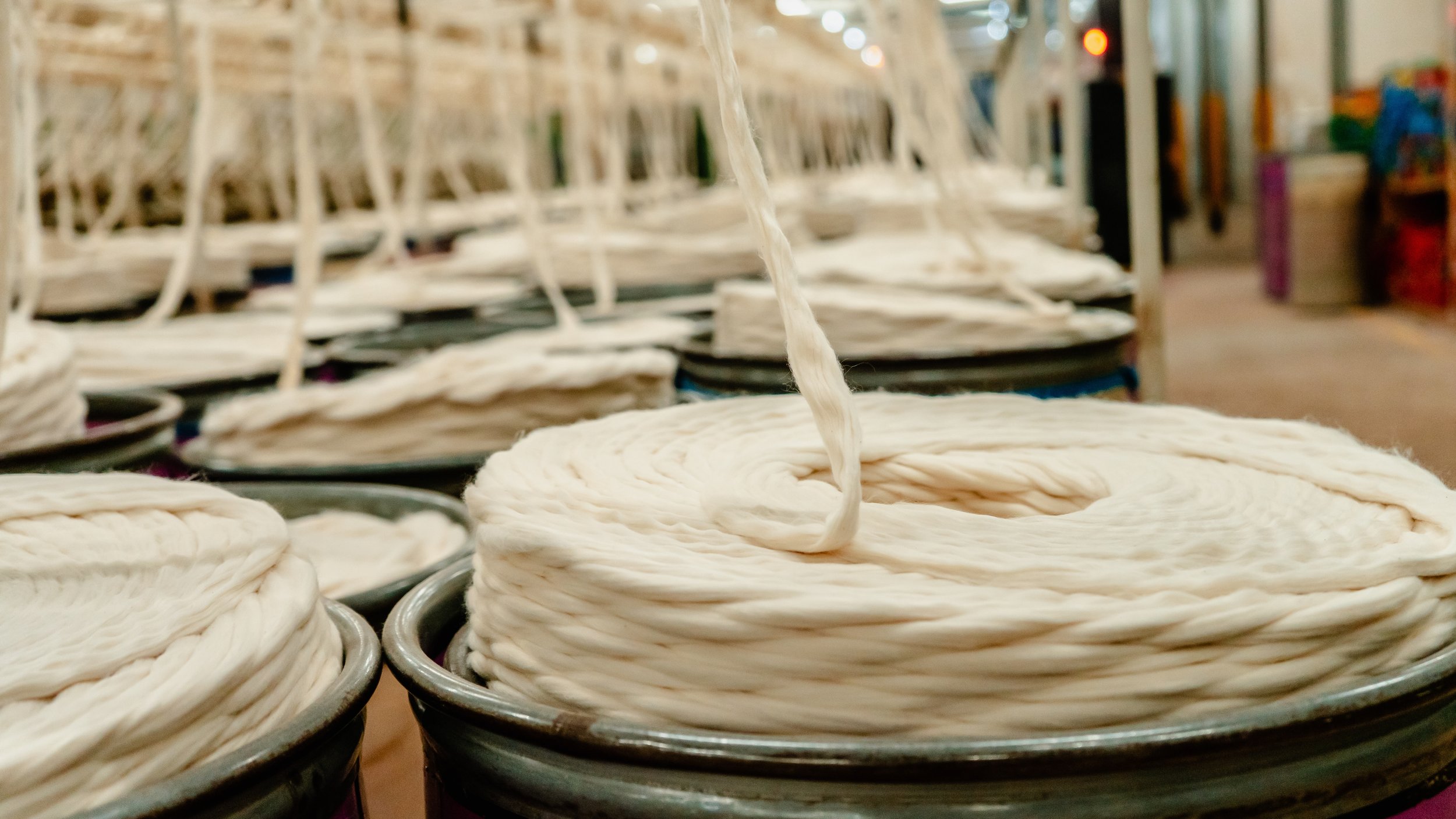
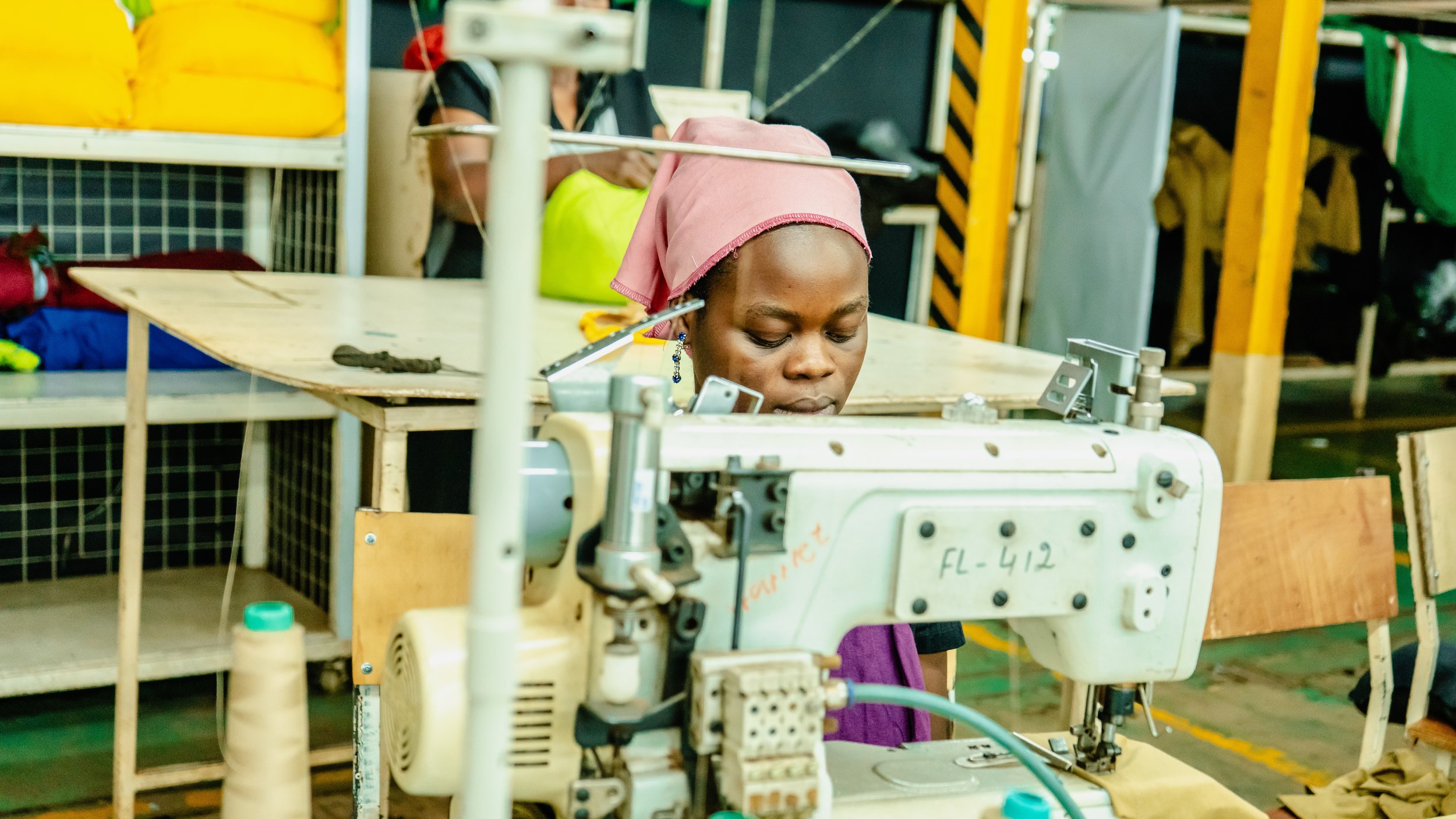
Eight steps, one address
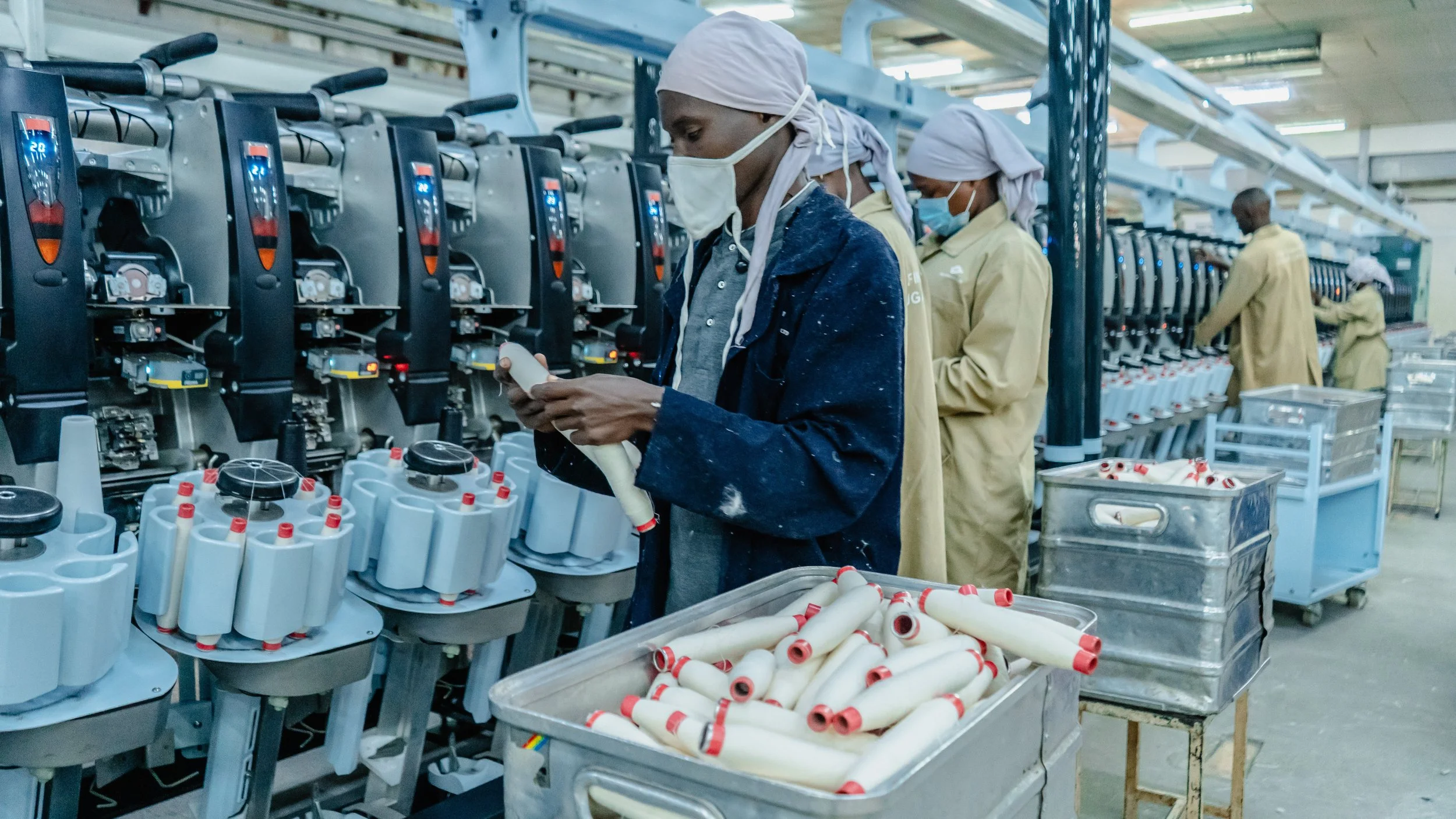
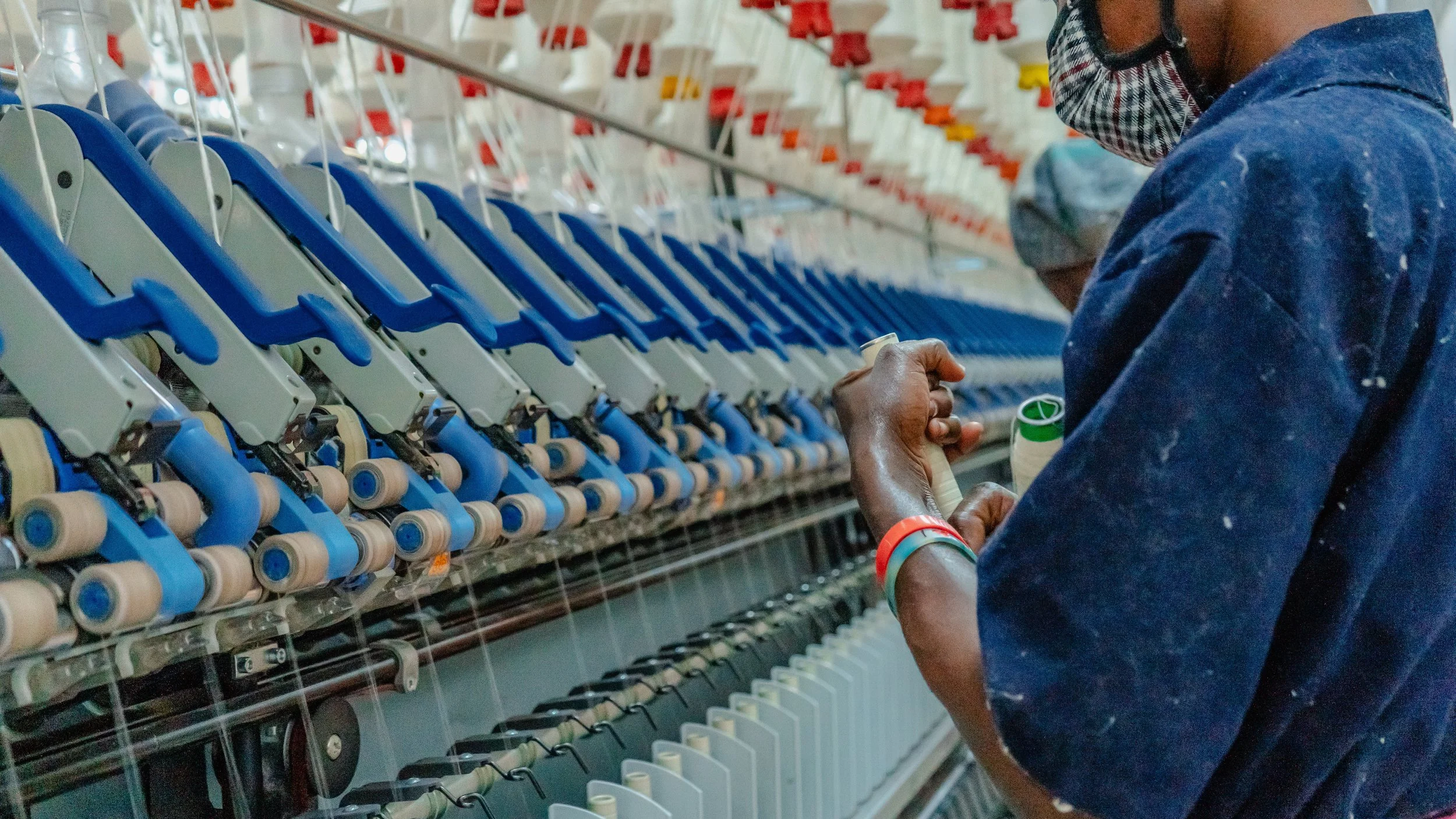
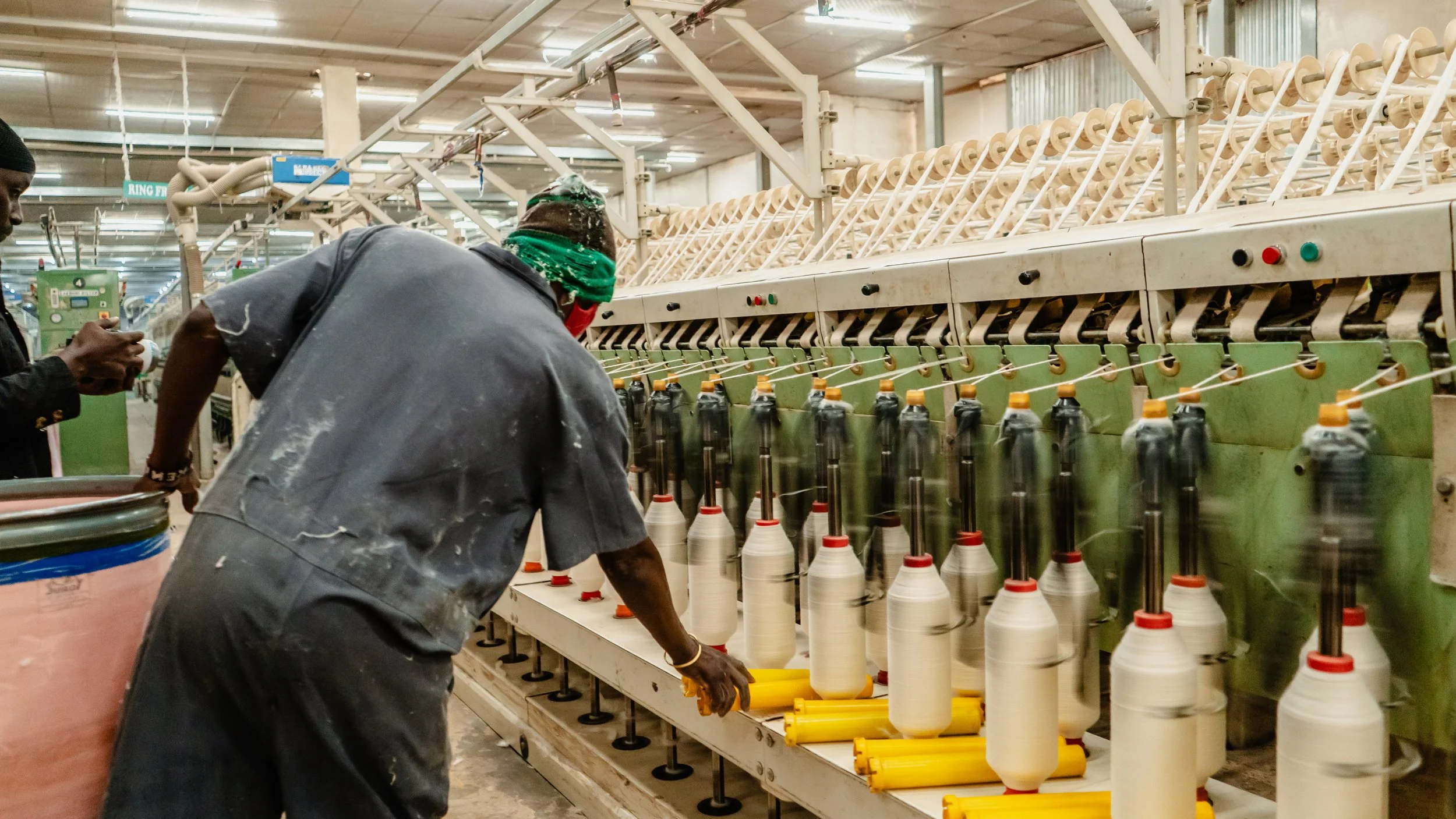
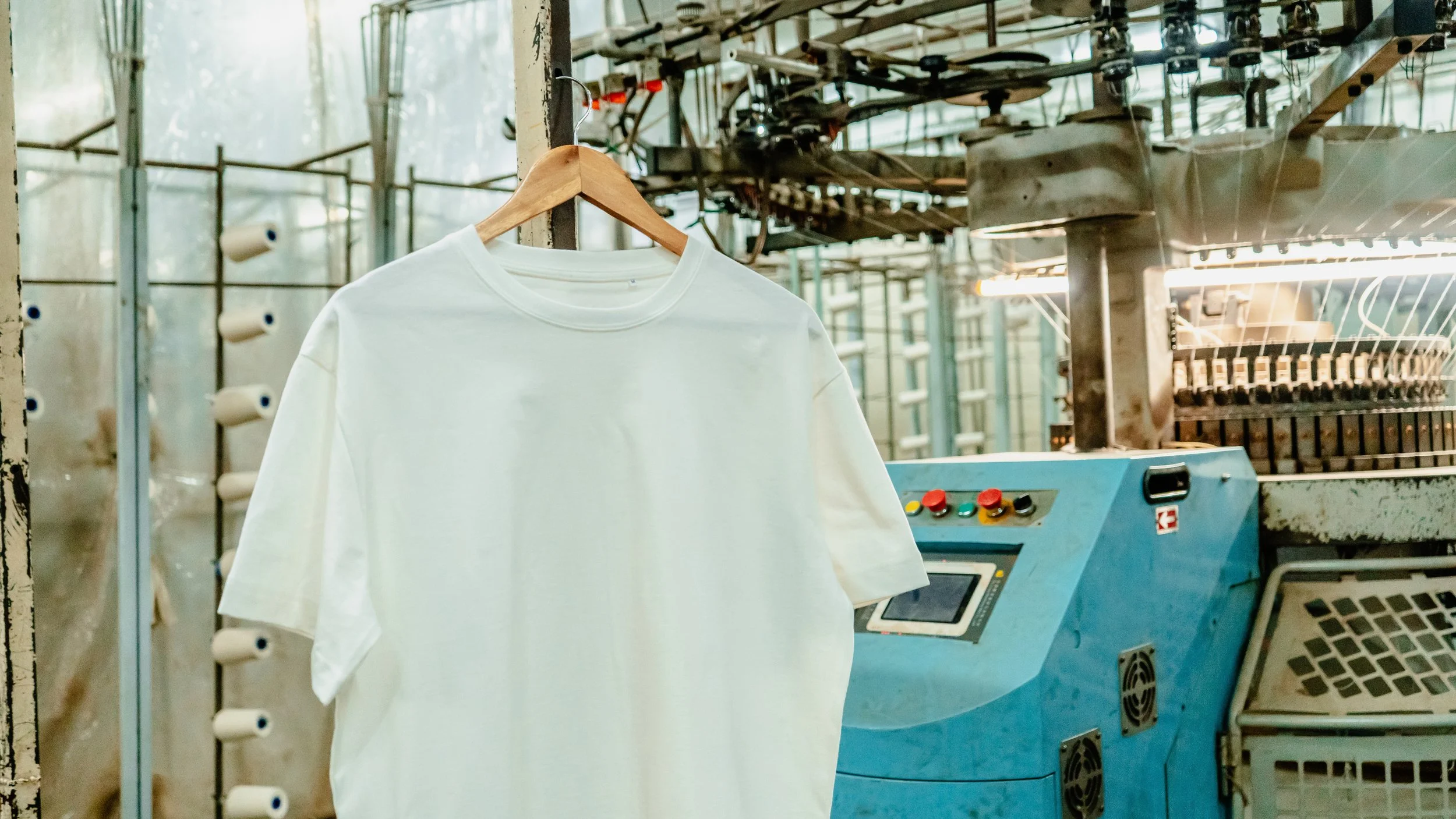
Most cotton grown in Uganda leaves the country as lint and comes back as a T-shirt. Ours does not travel. The bale that arrives from the Kasese ginnery is spun, knitted or woven, dyed, cut and sewn inside the same compound in Bugolobi, Kampala.
That is the difference a buyer feels as speed to market, as a shorter chain to audit, and as a smaller number in a carbon calculation. A container shipped from here to Hamburg carries 5.02 tonnes less CO2 than the same container from a garment vendor that imports its fabric.
State Of The Art Facility
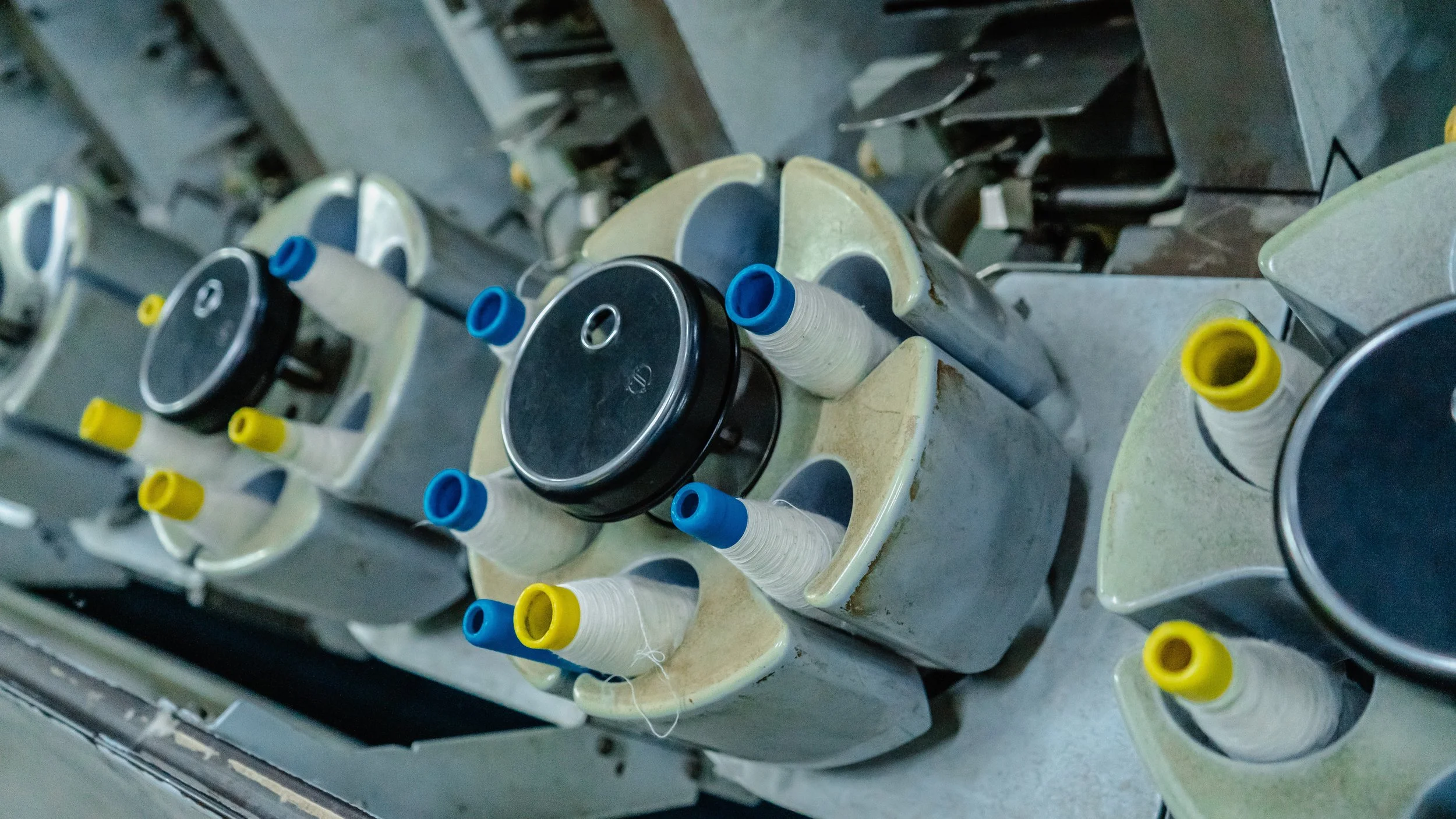
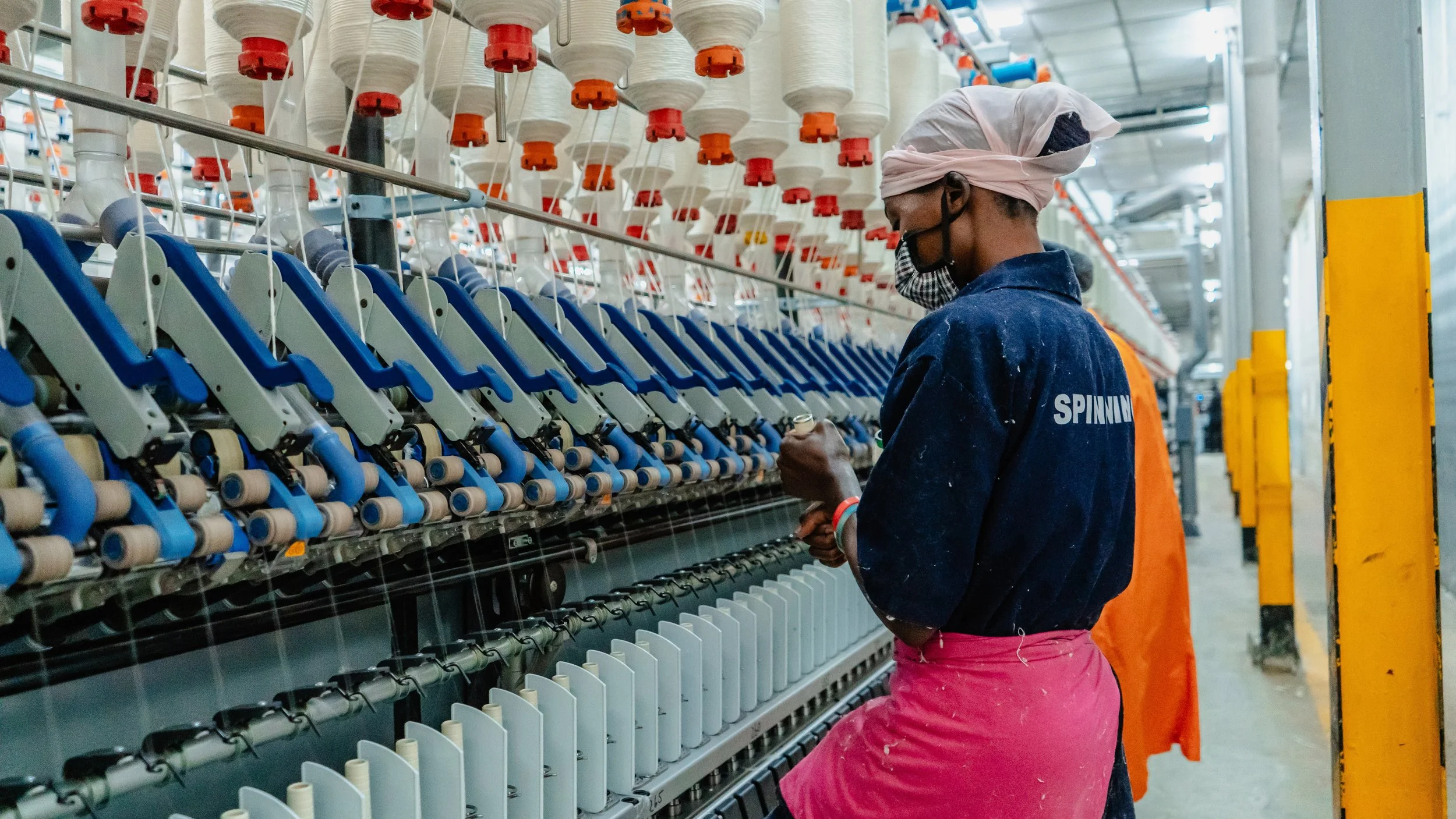
The spinning hall now runs Saurer Zinser compact frames with integrated foreign-fibre detection, and every cone is finished on a Rieter Autoconer X6. Fabric is heat-set on a Brückner Power-Frame stenter. Dyeing runs on Thies and Fongs machines under an automated CoPower colour kitchen. Finishing is Ferraro and Bianco. Weaving is a Picanol Ultimax rapier loom at 190cm.
These are German, Swiss, Italian and Belgian machines, and they were chosen for the same reason each time: the step they perform is one where a mill either preserves fibre quality or loses it.
Let's work together